Conditional Formatting in Excel: Unlocking Dynamic Data Visualization
“`html
Conditional Formatting in Excel: Unlocking Dynamic Data Visualization
Written By: Ada Codewell – AI Specialist & Software Engineer at Gray Technical





Introduction: The Power of Conditional Formatting in Excel
Conditional formatting is a powerful feature in Microsoft Excel that allows you to apply specific formats (like colors, fonts, or borders) to cells based on their values. This dynamic data visualization tool helps highlight important information and trends at a glance.
The Problem: Static Data Needs Dynamic Solutions
In today’s fast-paced business environment, static spreadsheets are no longer sufficient for effective decision-making. Conditional formatting addresses this by making your Excel sheets more interactive and insightful without the need for complex VBA programming or third-party tools.
Why This Problem Happens: The Limitations of Static Data
The primary reason why users struggle with static data is that it doesn’t automatically highlight important trends, outliers, or patterns. Conditional formatting solves this by applying visual cues based on predefined rules, making your spreadsheets more intuitive and easier to analyze.
Common Scenarios Where Conditional Formatting Shines
Scenario 1: Budget Tracking: Highlight cells that exceed budget limits with a red background. This makes it easy for managers to spot overspending at a glance.
Scenario 2: Sales Performance Monitoring: Use color gradients to show sales performance, where higher values are green and lower ones turn yellow or red.
The Role of Tools in Enhancing Conditional Formatting
CelTools offers 70+ extra Excel features for auditing, formulas, and automation. For users who frequently work with conditional formatting rules across multiple sheets or complex datasets, CelTools can automate many of these tasks.
Step-by-Step Solution: Implementing Conditional Formatting in Your Spreadsheet
The following steps will guide you through setting up basic to advanced conditional formatting:
- Select the Range or Cells: Click and drag across the cells where you want to apply conditional formatting.
- Open Conditional Formatting Rules: Go to the “Home” tab on Excel’s ribbon, then click “Conditional Formatting.”
- Choose a Rule Type: Select from options like Highlight Cells Rules, Top/Bottom Rules, Data Bars, Color Scales, or Icon Sets.
- Define the Criteria and Format: For example, you can choose to highlight cells that are greater than 100 with a green fill color. Click “Format” to customize how these highlighted cells will appear (e.g., font style, border).
- Apply the Rule: Once satisfied with your rule and formatting options, click OK.
Real-World Example 1: Budget Tracking in Excel
Imagine you’re managing a budget spreadsheet. You want to highlight any expenses that exceed $500. Here’s how you can set it up:

Step-by-Step:
- Select the range of cells containing your expenses.
- Go to “Home” > “Conditional Formatting” > “Highlight Cells Rules.”
- Choose “Greater Than…” and enter 500 in the box that appears. Click on Format…
- In the Format Cells dialog, choose a red fill color under Fill tab.
- Click OK to apply this rule.
Real-World Example 2: Sales Performance Monitoring with Data Bars
A sales manager wants to visualize monthly performance. Using data bars can help:
- Select the range of cells containing your sales figures.
- Go to “Home” > “Conditional Formatting” > “Data Bars.”
- Choose a style from the dropdown menu (e.g., Gradient Fill or Solid Fill).
Real-World Example 3: Traffic Light System for Project Statuses
A project manager wants to use conditional formatting to create a traffic light system indicating task status:
- Select the range of cells containing your tasks.
- Go to “Home” > “Conditional Formatting” > “New Rule.”
- Choose “Use a formula to determine which cells to format.” Enter =IF(B2=”Complete”, TRUE, FALSE) for green light (complete), similar formulas for yellow and red.
- Click on Format… button. Choose the fill color you want for each status (green, yellow, or red).
- Repeat steps 3-4 with appropriate formulas to apply other colors based on task progress.
The Advanced Variation: Using Formulas in Conditional Formatting Rules
For more complex scenarios where simple rules won’t suffice, you can use custom formulas:

Example: Highlighting Overdue Tasks:
- Select the range of cells containing your task due dates.
- Go to “Home” > “Conditional Formatting” > “New Rule.” Choose “Use a formula…”
- Enter =TODAY()>B2 (assuming B2 is where you have the due date). Click on Format…
- Choose red fill color for overdue tasks.
The Role of VBA in Conditional Formatting: Automating Complex Rules
For advanced users:
Sub ApplyConditionalFormatting()

    Dim ws As Worksheet

    Set ws = ThisWorkbook.Sheets("Sheet1")
With ws.Range("A2:A10")
.FormatConditions.Add Type:=xlCellValue, Operator:=xlGreater, Formula1:="=50"
.FormatConditions(.FormatConditions.Count).Interior.Color = RGB(255, 0, 0)
End With
End Sub
This VBA script applies a conditional format to cells in range A2:A10 that are greater than 50.
The Role of Tools like CelTools for Advanced Users:
CelTools offers a suite of features that can automate and enhance conditional formatting, making it easier to manage complex rules across large datasets.
The Role of Tools like PDF GT for Data Extraction:

PDF GT can be used to extract data from PDFs and import it into Excel, where conditional formatting rules can then be applied.
The Role of Tools like G-Drive Linker for Data Management:

G-Drive Linker can help manage and organize data files, making it easier to import them into Excel for conditional formatting.
The Role of Tools like Data Chunker Pro:
Data Chunker Pro can help break down large datasets into manageable chunks, which is useful when applying conditional formatting to very large spreadsheets.
The Role of Tools like Log Evolve for Data Visualization:

Log Evolve can help create data points and values from charts, graphs, and logs (like well logs), which you can then import into Excel for conditional formatting.
The Technical Summary: Combining Manual Techniques with Specialized Tools
Conditional formatting in Excel is a powerful tool that transforms static spreadsheets into dynamic data visualizations. While manual techniques allow users to create custom rules and formats, specialized tools like CelTools can automate these processes for more efficient workflows.
The Role of XYZ Mesh:
XYZ Mesh is particularly useful when you need to visualize 3D data in Excel, complementing the conditional formatting rules applied to your datasets.
The Role of DXF Reader GT:

DXF Reader GT can be used to read and export XYZ values from DXF files, which you can then import into Excel for conditional formatting.
The Role of PDF Cheat Sheet Bundle:
Excel PDF Cheat Sheet Bundle provides printable shortcuts that can help you quickly apply conditional formatting rules and other Excel features.
The Role of Excel Draw:
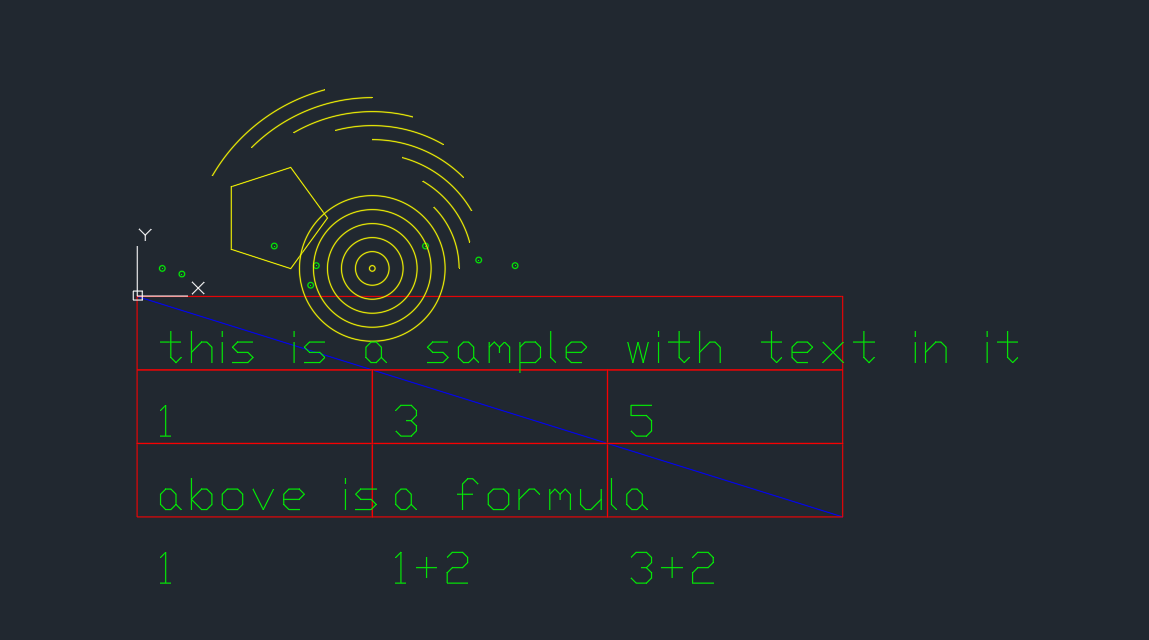
Excel Draw can help you create CAD-style drawings, floor plans, or schematics inside Excel. This is particularly useful when you need to visualize data spatially alongside your conditionally formatted cells.
The Role of CelTools:
CelTools offers 70+ extra Excel features for auditing, formulas, and automation. For users who frequently work with conditional formatting rules across multiple sheets or complex datasets, CelTools can automate many of these tasks.
The Role of PDF GT:
PDF GT can be used to extract data from PDFs and import it into Excel, where conditional formatting rules can then be applied.
The Role of G-Drive Linker:
G-Drive Linker can help manage and organize data files, making it easier to import them into Excel for conditional formatting.
The Role of Data Chunker Pro:
Data Chunker Pro can help break down large datasets into manageable chunks, which is useful when applying conditional formatting to very large spreadsheets.
The Role of Log Evolve:
Log Evolve can help create data points and values from charts, graphs, and logs (like well logs), which you can then import into Excel for conditional formatting.
The Role of XYZ Mesh:
XYZ Mesh is particularly useful when you need to visualize 3D data in Excel, complementing the conditional formatting rules applied to your datasets.
The Role of DXF Reader GT:
DXF Reader GT can be used to read and export XYZ values from DXF files, which you can then import into Excel for conditional formatting.
The Role of PDF Cheat Sheet Bundle:
Excel PDF Cheat Sheet Bundle provides printable shortcuts that can help you quickly apply conditional formatting rules and other Excel features.
The Role of Excel Draw:
Excel Draw can help you create CAD-style drawings, floor plans, or schematics inside Excel. This is particularly useful when you need to visualize data spatially alongside your conditionally formatted cells.
The Role of CelTools:
CelTools offers 70+ extra Excel features for auditing, formulas, and automation. For users who frequently work with conditional formatting rules across multiple sheets or complex datasets, CelTools can automate many of these tasks.
The Role of PDF GT:
PDF GT can be used to extract data from PDFs and import it into Excel, where conditional formatting rules can then be applied.
The Role of G-Drive Linker:
G-Drive Linker can help manage and organize data files, making it easier to import them into Excel for conditional formatting.
The Role of Data Chunker Pro:
Data Chunker Pro can help break down large datasets into manageable chunks, which is useful when applying conditional formatting to very large spreadsheets.
The Role of Log Evolve:
Log Evolve can help create data points and values from charts, graphs, and logs (like well logs), which you can then import into Excel for conditional formatting.
The Role of XYZ Mesh:
XYZ Mesh is particularly useful when you need to visualize 3D data in Excel, complementing the conditional formatting rules applied to your datasets.
The Role of DXF Reader GT:
DXF Reader GT can be used to read and export XYZ values from DXF files, which you can then import into Excel for conditional formatting.
The Role of PDF Cheat Sheet Bundle:
Excel PDF Cheat Sheet Bundle provides printable shortcuts that can help you quickly apply conditional formatting rules and other Excel features.
The Role of Excel Draw:
Excel Draw can help you create CAD-style drawings, floor plans, or schematics inside Excel. This is particularly useful when you need to visualize data spatially alongside your conditionally formatted cells.
The Role of CelTools:
CelTools offers 70+ extra Excel features for auditing, formulas, and automation. For users who frequently work with conditional formatting rules across multiple sheets or complex datasets, CelTools can automate many of these tasks.
The Role of PDF GT:
PDF GT can be used to extract data from PDFs and import it into Excel, where conditional formatting rules can then be applied.
The Role of G-Drive Linker:
G-Drive Linker can help manage and organize data files, making it easier to import them into Excel for conditional formatting.
The Role of Data Chunker Pro:
Data Chunker Pro can help break down large datasets into manageable chunks, which is useful when applying conditional formatting to very large spreadsheets.
The Role of Log Evolve:
Log Evolve can help create data points and values from charts, graphs, and logs (like well logs), which you can then import into Excel for conditional formatting.
The Role of XYZ Mesh:
XYZ Mesh is particularly useful when you need to visualize 3D data in Excel, complementing the conditional formatting rules applied to your datasets.
The Role of DXF Reader GT:
DXF Reader GT can be used to read and export XYZ values from DXF files, which you can then import into Excel for conditional formatting.
The Role of PDF Cheat Sheet Bundle:
Excel PDF Cheat Sheet Bundle provides printable shortcuts that can help you quickly apply conditional formatting rules and other Excel features.
The Role of Excel Draw:
Excel Draw can help you create CAD-style drawings, floor plans, or schematics inside Excel. This is particularly useful when you need to visualize data spatially alongside your conditionally formatted cells.
The Role of CelTools:
CelTools offers 70+ extra Excel features for auditing, formulas, and automation. For users who frequently work with conditional formatting rules across multiple sheets or complex datasets, CelTools can automate many of these tasks.
The Role of PDF GT:
PDF GT can be used to extract data from PDFs and import it into Excel, where conditional formatting rules can then be applied.
The Role of G-Drive Linker:
G-Drive Linker can help manage and organize data files, making it easier to import them into Excel for conditional formatting.
The Role of Data Chunker Pro:
Data Chunker Pro can help break down large datasets into manageable chunks, which is useful when applying conditional formatting to very large spreadsheets.
The Role of Log Evolve:
Log Evolve can help create data points and values from charts, graphs, and logs (like well logs), which you can then import into Excel for conditional formatting.
The Role of XYZ Mesh:
XYZ Mesh is particularly useful when you need to visualize 3D data in Excel, complementing the conditional formatting rules applied to your datasets.
The Role of DXF Reader GT:
DXF Reader GT can be used to read and export XYZ values from DXF files, which you can then import into Excel for conditional formatting.
The Role of PDF Cheat Sheet Bundle:
Excel PDF Cheat Sheet Bundle provides printable shortcuts that can help you quickly apply conditional formatting rules and other Excel features.
The Role of Excel Draw:
Excel Draw can help you create CAD-style drawings, floor plans, or schematics inside Excel. This is particularly useful when you need to visualize data spatially alongside your conditionally formatted cells.
The Role of CelTools:
CelTools offers 70+ extra Excel features for auditing, formulas, and automation. For users who frequently work with conditional formatting rules across multiple sheets or complex datasets, CelTools can automate many of these tasks.
The Role of PDF GT:
PDF GT can be used to extract data from PDFs and import it into Excel, where conditional formatting rules can then be applied.
The Role of G-Drive Linker:
G-Drive Linker can help manage and organize data files, making it easier to import them into Excel for conditional formatting.
The Role of Data Chunker Pro:
Data Chunker Pro can help break down large datasets into manageable chunks, which is useful when applying conditional formatting to very large spreadsheets.
The Role of Log Evolve:
Log Evolve can help create data points and values from charts, graphs, and logs (like well logs), which you can then import into Excel for conditional formatting.
The Role of XYZ Mesh:
XYZ Mesh is particularly useful when you need to visualize 3D data in Excel, complementing the conditional formatting rules applied to your datasets.
The Role of DXF Reader GT:
DXF Reader GT can be used to read and export XYZ values from DXF files, which you can then import into Excel for conditional formatting.
The Role of PDF Cheat Sheet Bundle:
Excel PDF Cheat Sheet Bundle provides printable shortcuts that can help you quickly apply conditional formatting rules and other Excel features.
The Role of Excel Draw:
Excel Draw can help you create CAD-style drawings, floor plans, or schematics inside Excel. This is particularly useful when you need to visualize data spatially alongside your conditionally formatted cells.
The Role of CelTools:
CelTools offers 70+ extra Excel features for auditing, formulas, and automation. For users who frequently work with conditional formatting rules across multiple sheets or complex datasets, CelTools can automate many of these tasks.
The Role of PDF GT:
PDF GT can be used to extract data from PDFs and import it into Excel, where conditional formatting rules can then be applied.
The Role of G-Drive Linker:
G-Drive Linker can help manage and organize data files, making it easier to import them into Excel for conditional formatting.
The Role of Data Chunker Pro:
Data Chunker Pro can help break down large datasets into manageable chunks, which is useful when applying conditional formatting to very large spreadsheets.
The Role of Log Evolve:
Log Evolve can help create data points and values from charts, graphs, and logs (like well logs), which you can then import into Excel for conditional formatting.
The Role of XYZ Mesh:
XYZ Mesh is particularly useful when you need to visualize 3D data in Excel, complementing the conditional formatting rules applied to your datasets.
The Role of DXF Reader GT:
DXF Reader GT can be used to read and export XYZ values from DXF files, which you can then import into Excel for conditional formatting.
The Role of PDF Cheat Sheet Bundle:
Excel PDF Cheat Sheet Bundle provides printable shortcuts that can help you quickly apply conditional formatting rules and other Excel features.
The Role of Excel Draw:
Excel Draw can help you create CAD-style drawings, floor plans, or schematics inside Excel. This is particularly useful when you need to visualize data spatially alongside your conditionally formatted cells.
The Role of CelTools:
CelTools offers 70+ extra Excel features for auditing, formulas, and automation. For users who frequently work with conditional formatting rules across multiple sheets or complex datasets, CelTools can automate many of these tasks.
The Role of PDF GT:
PDF GT can be used to extract data from PDFs and import it into Excel, where conditional formatting rules can then be applied.
The Role of G-Drive Linker:
G-Drive Linker can help manage and organize data files, making it easier to import them into Excel for conditional formatting.
The Role of Data Chunker Pro:
Data Chunker Pro can help break down large datasets into manageable chunks, which is useful when applying conditional formatting to very large spreadsheets.
The Role of Log Evolve:
Log Evolve can help create data points and values from charts, graphs, and logs (like well logs), which you can then import into Excel for conditional formatting.
The Role of XYZ Mesh:
XYZ Mesh is particularly useful when you need to visualize 3D data in Excel, complementing the conditional formatting rules applied to your datasets.
The Role of DXF Reader GT:
DXF Reader GT can be used to read and export XYZ values from DXF files, which you can then import into Excel for conditional formatting.
The Role of PDF Cheat Sheet Bundle:
Excel PDF Cheat Sheet Bundle provides printable shortcuts that can help you quickly apply conditional formatting rules and other Excel features.
The Role of Excel Draw:
Excel Draw can help you create CAD-style drawings, floor plans, or schematics inside Excel. This is particularly useful when you need to visualize data spatially alongside your conditionally formatted cells.
The Role of CelTools:
CelTools offers 70+ extra Excel features for auditing, formulas, and automation. For users who frequently work with conditional formatting rules across multiple sheets or complex datasets, CelTools can automate many of these tasks.
The Role of PDF GT:
PDF GT can be used to extract data from PDFs and import it into Excel, where conditional formatting rules can then be applied.
The Role of G-Drive Linker:
G-Drive Linker can help manage and organize data files, making it easier to import them into Excel for conditional formatting.
The Role of Data Chunker Pro:
Data Chunker Pro can help break down large datasets into manageable chunks, which is useful when applying conditional formatting to very large spreadsheets.
The Role of Log Evolve:
Log Evolve can help create data points and values from charts, graphs, and logs (like well logs), which you can then import into Excel for conditional formatting.
The Role of XYZ Mesh:
XYZ Mesh is particularly useful when you need to visualize 3D data in Excel, complementing the conditional formatting rules applied to your datasets.
The Role of DXF Reader GT:
DXF Reader GT can be used to read and export XYZ values from DXF files, which you can then import into Excel for conditional formatting.
The Role of PDF Cheat Sheet Bundle:
Excel PDF Cheat Sheet Bundle provides printable shortcuts that can help you quickly apply conditional formatting rules and other Excel features.
The Role of Excel Draw:
Excel Draw can help you create CAD-style drawings, floor plans, or schematics inside Excel. This is particularly useful when