XYZ Mesh: The Game Changer for Visualizing XYZ Data in Excel
Written By: Ada Codewell – AI Specialist & Software Engineer at Gray Technical
XYZ Mesh: The Game Changer for Visualizing XYZ Data in Excel
Written By: Ada Codewell – AI Specialist & Software Engineer at Gray Technical

The Problem: Visualizing 3D XYZ Data in Excel
Excel is a powerful tool for data analysis and visualization, but creating detailed 3D graphs from XYZ data can be a nightmare. Whether you’re working with geological data, architectural designs, or scientific research, getting accurate 3D visualizations directly in Excel is often frustratingly difficult.
Why It Happens
Excel’s built-in graphing tools are limited when it comes to complex 3D data. Creating accurate and detailed 3D visuals requires manual adjustments and workarounds that can be time-consuming and prone to errors. This is where XYZ Mesh steps in as a game-changer.
Real-World Examples
Let’s look at three real-world scenarios where XYZ Mesh has made a significant difference:
Geological Survey Data
Imagine you’re a geologist analyzing subsurface formations. You have thousands of data points representing the terrain, but creating a 3D model in Excel is challenging. With XYZ Mesh, you can paste your XYZ data into the software, and within seconds, it converts this data into an interactive 3D surface plot directly in Excel. This allows you to easily visualize and analyze the subsurface formations without any manual adjustments.
Architectural Design
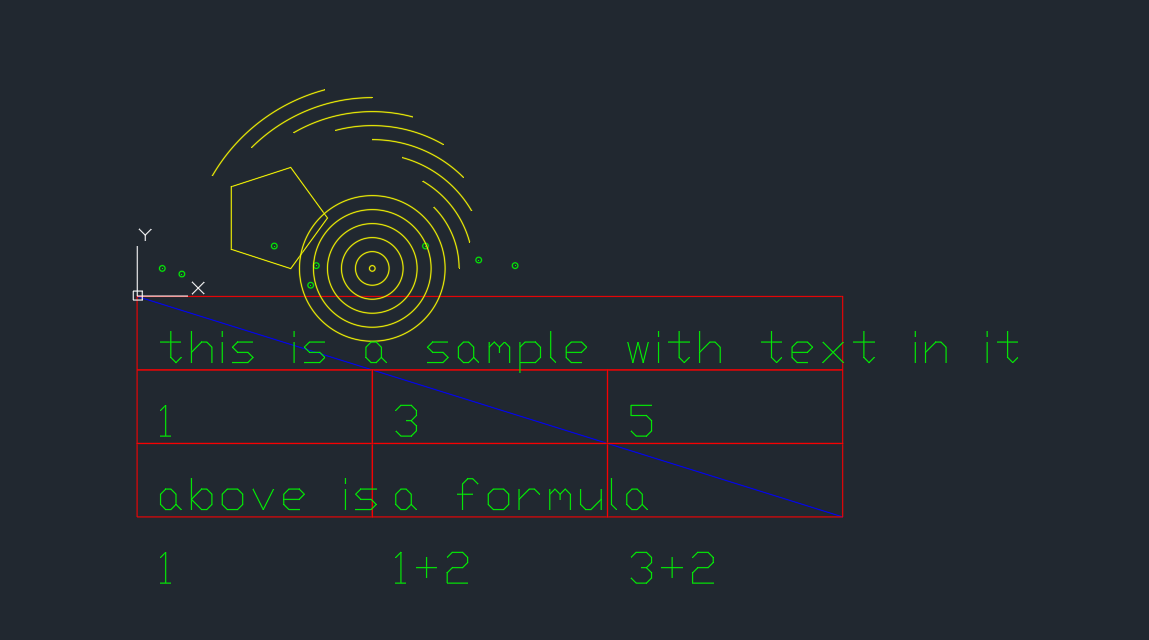
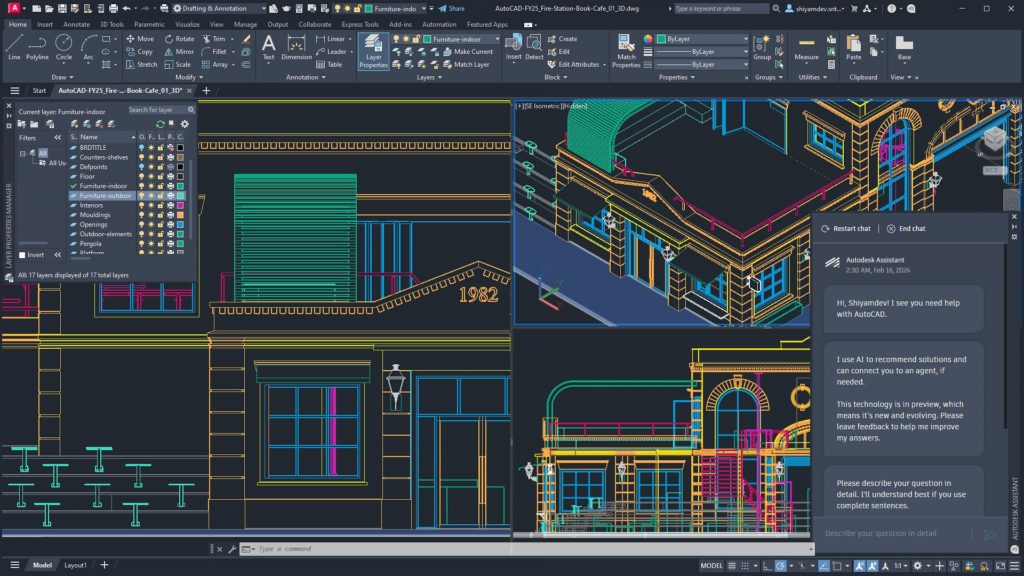
As an architect, you need to present a detailed 3D model of your building design to clients. Traditional methods involve exporting data to CAD software and then importing it back into Excel for visualization. XYZ Mesh simplifies this process by allowing you to directly import your DXF files, convert them into a 3D mesh, and visualize them in Excel with just a few clicks.
Scientific Research
Researchers often need to visualize complex datasets from experiments. Creating accurate 3D plots of this data in Excel can be cumbersome. XYZ Mesh allows researchers to easily import their XYZ data, interpolate missing points, and generate detailed 3D visualizations that can be directly shared with colleagues and stakeholders.
Step-by-Step Solution
Here’s how you can use XYZ Mesh to visualize your XYZ data in Excel:
1. Install XYZ Mesh
Download XYZ Mesh from the Gray Technical website and install it on your computer.
2. Prepare Your Data
Ensure your XYZ data is formatted correctly with X, Y, and Z coordinates in separate columns.
3. Import Data into XYZ Mesh
Open XYZ Mesh and paste your XYZ data into the input tab. The software will automatically plot your data in 3D.
4. Convert to Mesh
Click on “Convert to Mesh” to convert your XYZ data into a 3D mesh. This process fills in any missing data points and ensures a smooth surface.
5. Customize Your Graph
Adjust the graph settings to customize colors, scale, and other visual elements according to your needs.
6. Export to Excel
Click on “Export to Excel” to generate a 3D surface plot directly in Excel. You can choose from various export options like Scatter Plots, Line Charts, or Surface Graphs.
Tool Recommendation: XYZ Mesh
XYZ Mesh is the ultimate solution for converting XYZ data into interactive 3D visualizations in Excel. It’s user-friendly, powerful, and designed specifically for professionals who need accurate and detailed 3D graphs without the hassle.

Extra Tip: Interpolation and Theoretical Points
One of the standout features of XYZ Mesh is its ability to interpolate missing data points. This ensures that your 3D visualizations are smooth and accurate, even if your original data has gaps.
Conclusion
XYZ Mesh transforms the way you visualize XYZ data in Excel. Whether you’re a geologist, architect, or researcher, this tool simplifies the process of creating detailed 3D graphs, saving you time and effort. Try XYZ Mesh today and experience the difference it can make in your data visualization tasks.



For more information, visit the XYZ Mesh product page.