Unlocking CAD in Excel: A Game-Changer for Designers and Engineers
Unlocking CAD in Excel: A Game-Changer for Designers and Engineers




Are you tired of juggling multiple software tools to create and edit your technical drawings? Imagine being able to import, modify, and export CAD-style designs directly within Microsoft Excel. This might sound like a dream, but with Excel Draw, it’s very much a reality.
In this tutorial, we’ll explore the powerful capabilities of Excel Draw and walk you through importing DXF drawings and CSV/TXT files to create CAD-style designs inside Excel. If you’re new to this concept, don’t worry—we’ll keep it straightforward and practical.
Why This Matters
For many engineers and designers, the process of creating technical drawings can be cumbersome. You might start with a sketch in one software, refine it in another, and then export it to yet another for final adjustments. Excel Draw streamlines this workflow by allowing you to handle all these tasks within Excel.
Think about it: You’re already using Excel for data analysis and visualization, so why not leverage its familiar interface for CAD designs as well? This not only saves time but also reduces the learning curve associated with mastering multiple software tools. Plus, if you’re working in a team where everyone is comfortable with Excel, this can significantly boost collaboration.
Key Insights from the Video
Let’s dive into some of the key points covered in the video and see how they apply to real-world scenarios.
The Power of DXF Reader GT
One of the standout features of Excel Draw is its integration with DXF Reader GT, a tool that allows you to import and export DXF files seamlessly. This means you can bring complex CAD drawings directly into Excel for further modification.
In the video, we see an example of importing a drawing with nearly 800 objects—a task that would typically overwhelm most spreadsheet programs. However, Excel Draw handles it with ease, albeit with a slight performance hit due to the sheer number of objects.
For my own projects, I’ve found this feature invaluable when working on detailed schematics. Instead of switching back and forth between CAD software and Excel for data analysis, I can do everything in one place.
Importing CSV/Text Files for Custom Drawings
Not all technical drawings start as DXF files. Sometimes you might have raw data stored in CSV or text files that need to be visualized. Excel Draw makes this process straightforward.
In the video, we see how easy it is to import a CSV file and convert it into a CAD-style drawing within Excel. The tool automatically recognizes X, Y, and Z coordinates, making it simple to create complex designs from raw data points.
I’ve used this feature extensively for projects involving spatial data analysis. For instance, when working on a city planning project, I was able to import geospatial data as CSV files and visualize them directly in Excel, allowing for quick adjustments and iterations.
Exporting Your Work Back to DXF
After making your modifications within Excel, you can easily export your drawings back into the DXF format. This is crucial if you need to share your work with others who use traditional CAD software or send it directly to a machine for manufacturing.
The video demonstrates how simple this process is—just a few clicks and your drawing is exported, complete with custom text colors and object properties preserved.
In my experience, this feature has been a lifesaver when collaborating with external vendors. I can make detailed adjustments in Excel and then export the final design without any compatibility issues.
Alternative Tools and Methods
While Excel Draw is a powerful tool, it’s worth considering alternative methods if you’re looking for different features or workflows. Here are a couple of options:
AutoCAD and Other CAD Software
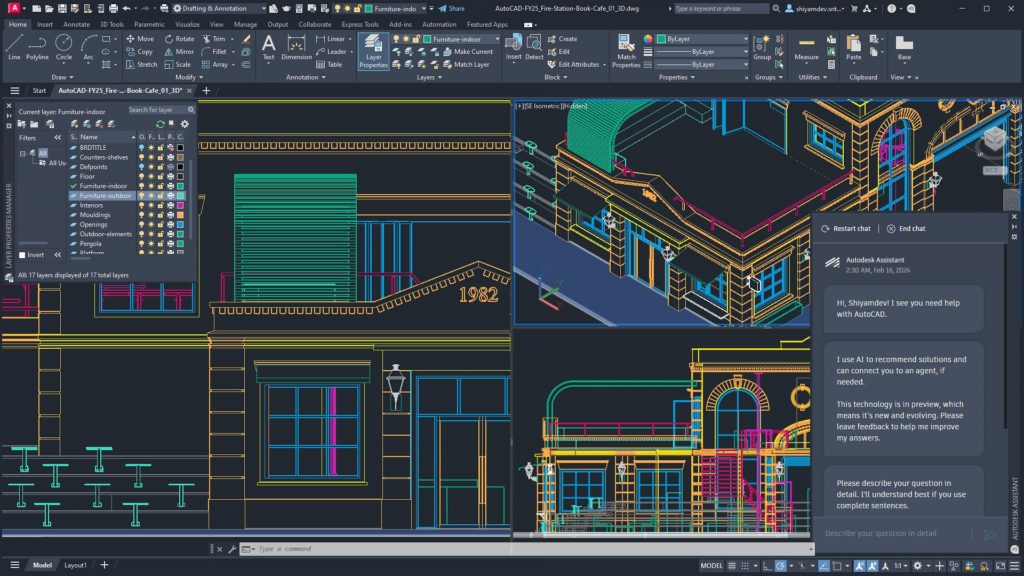
For those who prefer sticking to traditional CAD software, AutoCAD remains the industry standard. It offers extensive features for creating and modifying technical drawings.
However, if you’re already invested in using Excel for data analysis, switching back and forth between different tools can be cumbersome. This is where Excel Draw shines by combining both capabilities into a single interface.
Python Scripting with Libraries like Matplotlib
For those comfortable with programming, using Python libraries such as Matplotlib can be an alternative approach. You can create and manipulate technical drawings directly within your code.
While this method offers flexibility, it requires a steeper learning curve compared to using Excel Draw. Additionally, if you’re collaborating with team members who aren’t familiar with coding, they might find Excel Draw more accessible.
A Real-World Example: Streamlining a Manufacturing Workflow
Let’s walk through a real-world example to see how Excel Draw can streamline your workflow. Imagine you’re working on a project that involves manufacturing custom parts.
Step-by-Step Process
1. **Receive Initial Design**: You receive an initial design in DXF format from a client or another team member.
2. **Import into Excel Draw**: Using Excel Draw, you import the DXF file directly into Excel, allowing you to visualize and analyze the data within a familiar interface.
3. **Make Adjustments**: Modify the design as needed. This could involve changing dimensions, adding new objects, or adjusting coordinates based on your analysis.
4. **Export Final Design**: Once satisfied with the modifications, export the final design back into DXF format for manufacturing.
By handling all these steps within Excel, you eliminate the need to switch between different software tools, saving time and reducing errors that can occur during data transfer.
Technical Summary: The Effectiveness of Excel Draw
Excel Draw proves to be an effective solution for engineers and designers looking to streamline their workflow. By integrating CAD capabilities directly within Excel, it eliminates the need for multiple software tools and reduces the learning curve associated with mastering different programs.
The ability to import DXF files, modify them within Excel, and export them back into a compatible format makes Excel Draw an invaluable tool for anyone working on technical drawings. Whether you’re dealing with complex schematics or simple designs, this add-in offers the flexibility and power needed to get the job done efficiently.
In my experience, Excel Draw has significantly improved my productivity by allowing me to handle all aspects of a project within a single interface. If you’re looking for a way to simplify your workflow and enhance collaboration, I highly recommend giving it a try.
For more information or to download the tool, visit Excel Draw’s Product Page.