Unlocking CAD Capabilities in Excel: A Deep Dive into Excel Draw
Unlocking CAD Capabilities in Excel: A Deep Dive into Excel Draw
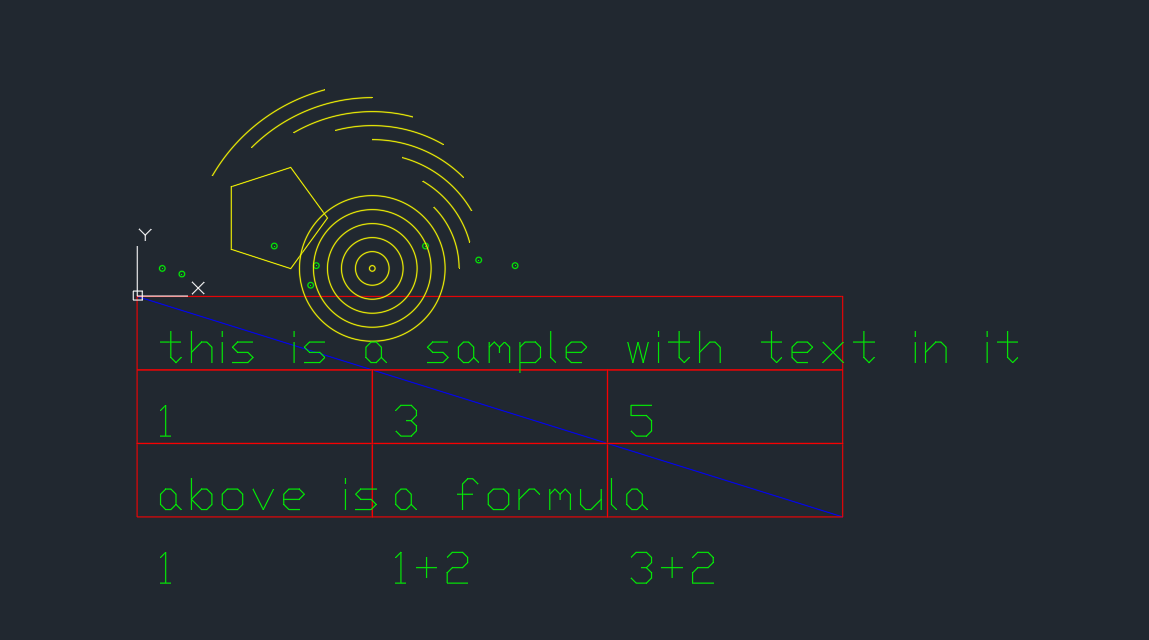
Have you ever wished you could create detailed CAD drawings directly within Microsoft Excel? Thanks to an innovative tool called Excel Draw, this is not only possible but surprisingly straightforward. In this post, we’ll explore how to leverage Excel Draw for creating CAD-style DXF drawings right inside Excel, drawing from insights in the video below.
The Problem: Bridging Excel and CAD Designs
In the realm of engineering, architecture, or any field requiring precise technical drawings, the need to bridge spreadsheet data (often in Excel) with CAD software is common. Traditionally, this involved exporting data from Excel into a CAD program like AutoCAD, which can be time-consuming and cumbersome.
Enter Excel Draw: A Game Changer
Excel Draw is an add-in for Microsoft Excel that enables you to create CAD-style DXF drawings directly within the familiar interface of Excel. This eliminates the need to switch between applications, streamlining your workflow and enhancing productivity.
Key Insights from the Video
The video provides a comprehensive overview of how to use Excel Draw effectively. Here are my top takeaways:
1. Enabling and Setting Up Excel Draw
To start using Excel Draw, you’ll need to install it first. Once installed, two icons will appear on your desktop: one for the add-in itself and another for DXF Reader GT.

Upon launching Excel with Excel Draw, you’ll be prompted to enable macros. This is crucial as the add-in relies on them for functionality:
- Open Excel via the desktop shortcut.
- Enable macros when prompted.
- The tool will check for updates and then present its ribbon interface within Excel.
2. Creating CAD Drawings with XYZ Data Points
Excel Draw excels at transforming XYZ data points into visual drawings. Here’s a step-by-step guide:
- Prepare Your Data: Organize your XYZ coordinates in Excel.
- Draw Lines: Select the data range and click on “Create Line” in the Excel Draw ribbon. This will generate lines between specified points.
For a more complex drawing, you can multi-select multiple ranges of data and create several lines at once. The interface allows for easy zooming, panning, and rotating to adjust your view:
- Zooming/Panning/Rotating: Use the 3D Graph Orientation tool in Excel to navigate and resize your drawing effectively.
3. Utilizing Layers for Better Organization
A powerful feature of Excel Draw is its layering system, which allows you to organize different parts of your drawing into separate layers:
- Assign Data to Layers: Specify which data points belong to which layer.
- Customize Layer Colors: Assign distinct colors to each layer for easy differentiation. This can be done via the “Layer Coloring Options” in Excel Draw.
The ability to customize and manage layers is particularly useful when working on complex drawings, as it helps maintain clarity and organization throughout your project.
Exporting Your Work: From Excel to CAD
One of the standout features of Excel Draw is its ability to export drawings into DXF files, which can be read by any CAD application or machine:
- Complete Your Drawing: Ensure all necessary elements are added and organized.
- Export as DXF: Use the “Export DXF” function in Excel Draw. You’ll have options to name your file, choose a save location, select the format (DXF), and include color information if desired.
The exported files are compatible with older CAD machines, ensuring wide usability across different systems.
Advanced Features: Automating with VBA
For those familiar with VBA (Visual Basic for Applications), Excel Draw offers even more advanced capabilities. You can automate repetitive tasks and streamline your workflow by creating custom VBA scripts:
- Develop Custom Scripts: Write VBA code to automate drawing creation, layer management, etc.
- Integrate with Existing Systems: Automatically send drawings from Excel directly to CNC machines or other CAD applications without manual intervention.
This level of automation can significantly enhance productivity, especially for large-scale projects requiring frequent updates and revisions.
Conclusion: A Powerful Tool for Streamlined Workflows
Excel Draw bridges the gap between Excel and CAD applications, offering a seamless way to create technical drawings directly within Excel. Whether you’re working on small projects or need occasional CAD capabilities, Excel Draw provides an efficient solution.
Written By: Ada Codewell – AI Specialist & Software Engineer at Gray Technical