Transforming XYZ Data into Stunning Visuals: A Deep Dive into XYZ Mesh
Transforming XYZ Data into Stunning Visuals: A Deep Dive into XYZ Mesh




Have you ever struggled with turning your raw XYZ data into meaningful visualizations? You’re not alone. This is a common challenge faced by engineers, scientists, and analysts across various fields. In this blog post, I’ll walk you through the basics of using XYZ Mesh to convert your XYZ data into stunning 3D plots that can be shared with anyone without requiring any extra software.
Why This Matters:
In my experience, the ability to visualize complex data sets in three dimensions can completely transform how you understand and present your findings. Whether it’s for research, engineering projects, or client presentations, having high-quality 3D visualizations can make all the difference. XYZ Mesh simplifies this process, making it accessible even if you’re not a graphic design expert.
Key Insights from the Video:
The Basics of XYZ Mesh

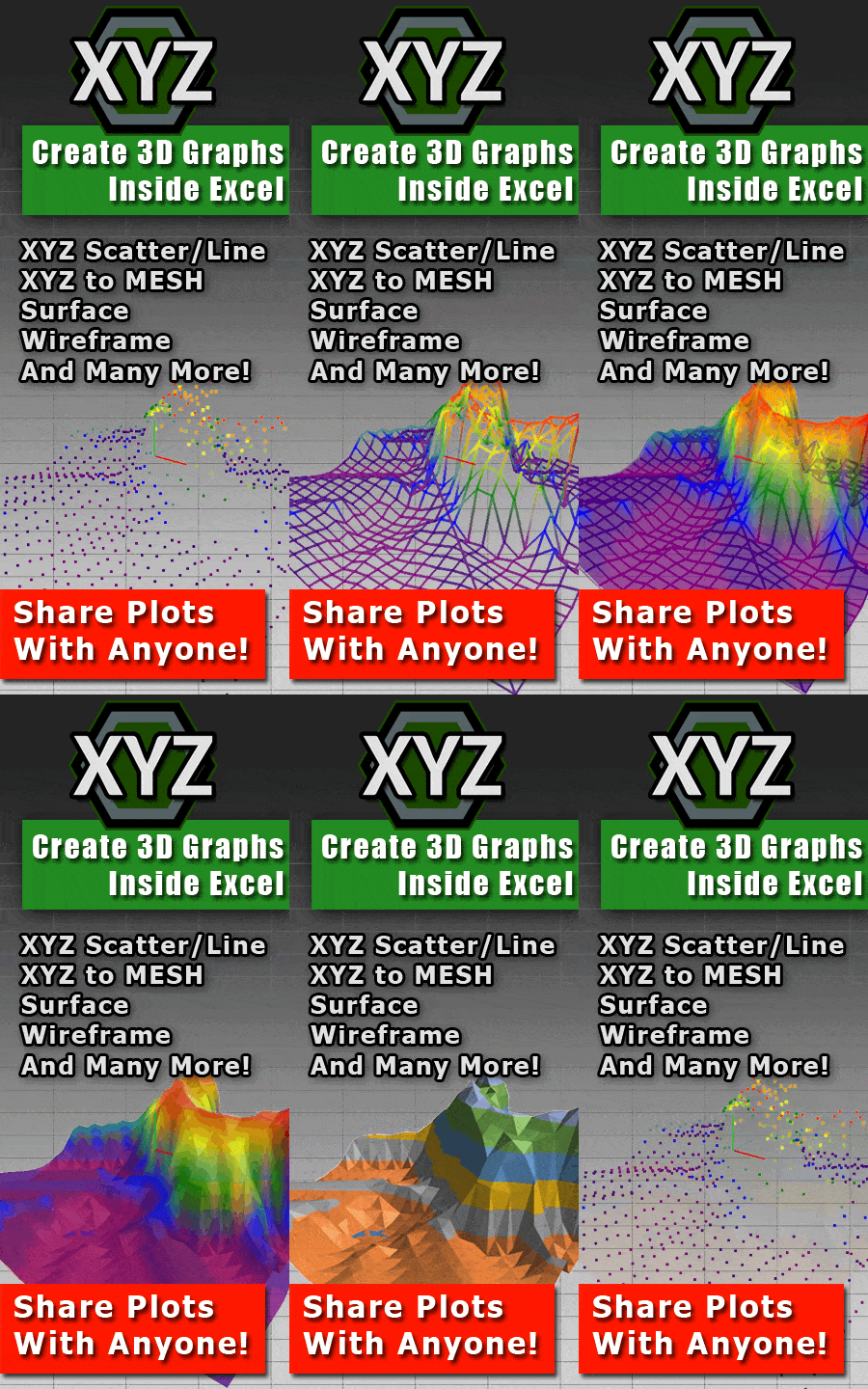
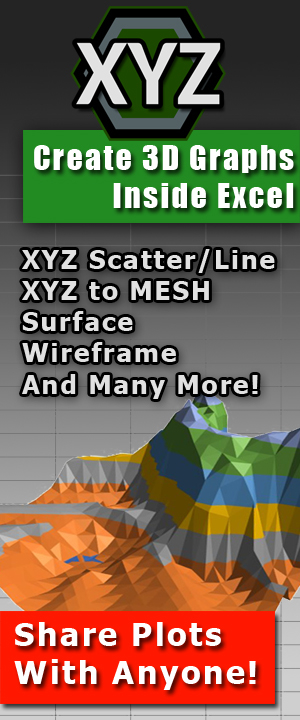
The video starts with a quick introduction to what XYZ Mesh is and how it can be used. Essentially, XYZ Mesh turns your XYZ data into 3D surface plots that you can export in various formats including Microsoft Excel graphs, DXF documents, CSV tables, and even interactive models.
Customizing Your Graphs
One of the standout features of XYZ Mesh is its customization options. You can change colors, adjust backgrounds, and apply different effects to make your data visually appealing and easy to interpret.
- Display Options: Toggle X, Y, and Z axis arms on or off as needed. Adjust the grid size and color for better visibility.
- Background Customization: Choose from gradient, light, or dark backgrounds depending on your data’s needs.
- Color Effects: Customize colors based on percentages, values, shading, lighting effects, or use custom colors to highlight specific data points.
Information Window and Graph Types
The Information window in XYZ Mesh provides detailed calculations about your converted data. This includes average of all points, total mesh numbers, highest/lowest points, volume calculations, slope information, and more.
- Graph Types: Choose from various graph types like Points, Lines, Mesh, Triangles, Heat maps, Single X/Y plots, and default input types to visualize your data in the most meaningful way.
Advanced Features: Floating Windows and Distance Calculator
XYZ Mesh also offers advanced features that enhance usability:
- Floating Window: This feature allows you to display the graph on a different monitor or window, making it easier to multitask.
- Distance Calculator: Select points on your plotted area and get detailed information about those points including distance between them and calculated slopes.
Optional Tools: Alternative Solutions
While XYZ Mesh is incredibly powerful, there are other tools you might consider depending on your specific needs. Some alternatives include MATLAB, ParaView, and Python libraries like Matplotlib or Plotly for 3D plotting.
- MATLAB: Great for advanced data analysis and visualization but requires a license.
- ParaView: Open-source software with powerful visualization capabilities but has a steeper learning curve.
- Python Libraries (Matplotlib, Plotly): Free and open-source tools that offer flexibility for customization but require programming knowledge.
A Real-World Example: Using XYZ Mesh in Engineering Projects
In my recent project involving topographical mapping of a construction site, I used XYZ Mesh to convert survey data into 3D plots. The ability to customize colors and export high-quality visuals directly into Excel made it easy for stakeholders to understand the terrain without needing specialized software.
Brief Technical Summary
XYZ Mesh is an effective tool for transforming XYZ data into visually appealing and informative 3D plots. Its ease of use, coupled with robust customization options, makes it applicable across various fields from engineering to scientific research.
Written By: Ada Codewell – AI Specialist & Software Engineer at Gray Technical