Transforming XYZ Data into Interactive 3D Graphs: The Power of XYZ Mesh
Written By: Ada Codewell – AI Specialist & Software Engineer at Gray Technical
Transforming XYZ Data into Interactive 3D Graphs: The Power of XYZ Mesh
If you’re working with XYZ data and need to visualize it in Excel, you know how challenging it can be. Traditional methods are often cumbersome and limited in their ability to create dynamic, interactive graphs. This is where XYZ Mesh comes into play.

Why Traditional Methods Fall Short
Traditional graphing tools in Excel are designed for basic 2D charts. When it comes to handling XYZ data, they struggle to provide the depth and interactivity needed for complex datasets. This can be frustrating for professionals who need to present detailed visualizations.
Introducing XYZ Mesh
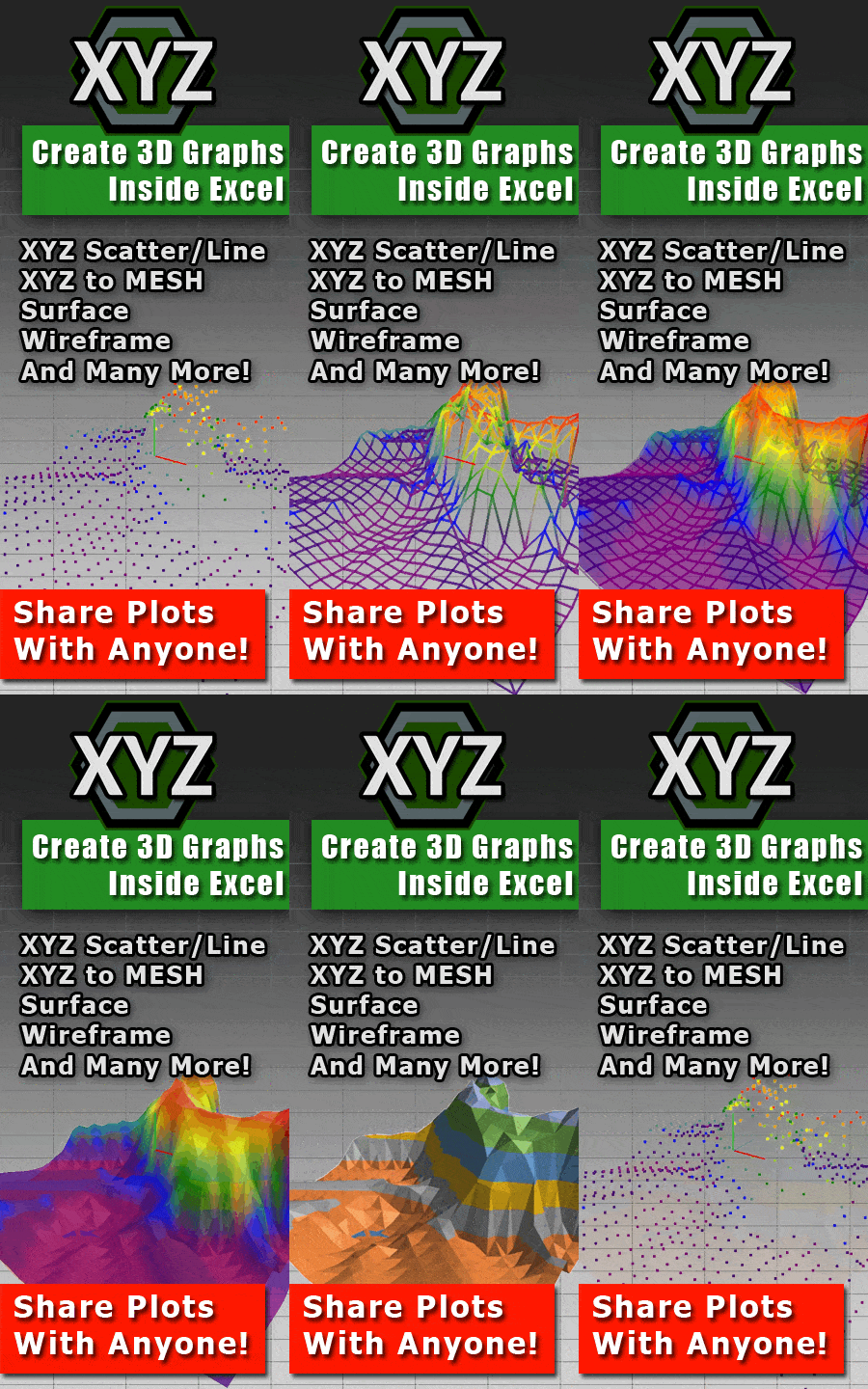
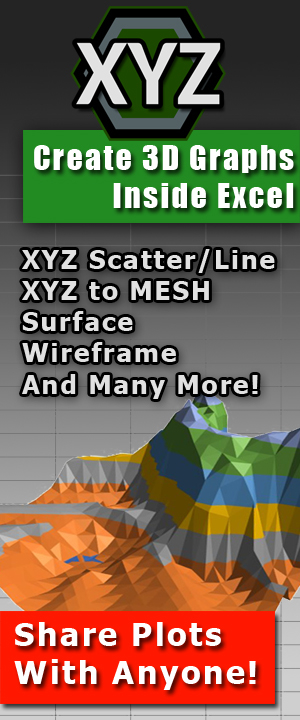
XYZ Mesh is a specialized tool that converts raw XYZ data into interactive 3D graphs directly in Excel. It’s designed to handle the complexities of XYZ data and provides a range of features to enhance your visualizations.

Key Features
- 3D Interactive Graphs: Create dynamic 3D scatter plots and surface models that can be rotated, zoomed, and panned.
- Easy Data Import: Simply copy and paste your XYZ data into the tool to start visualizing.
- Custom Coloring Options: Customize the colors of your graphs based on percentages or custom height values.
- Curve and Fill in Empty Data: Automatically fill in gaps in your data for smoother, more accurate visualizations.
- Export to Excel: Export your 3D graphs directly into Excel, making them easy to share with colleagues or clients.
Step-by-Step Solution: Creating a 3D Graph in Excel
Step 1: Prepare Your XYZ Data
Start by gathering your XYZ data. This can be from any source, such as sensor readings, survey data, or simulation results.
Step 2: Import Data into XYZ Mesh
Open XYZ Mesh and paste your XYZ data into the input tab. The tool will automatically start generating a 3D graph based on your data.
Step 3: Customize Your Graph
Use the various customization options to tailor your graph to your needs. You can change colors, add labels, and adjust the scale to ensure your data is presented clearly and accurately.
Step 4: Export to Excel
Once you’re satisfied with your graph, export it directly to Excel. This allows you to share your visualizations with others who may not have access to XYZ Mesh.

Real-World Examples
Example 1: Geological Survey Data
Geologists often need to visualize subsurface data to understand geological formations. By using XYZ Mesh, they can create interactive 3D models of the earth’s layers, making it easier to identify patterns and make informed decisions.
Example 2: Oceanographic Research
Oceanographers use XYZ data to study ocean currents and temperature variations. With XYZ Mesh, they can create detailed 3D visualizations of oceanic conditions, helping them better understand marine environments.
Example 3: Architectural Design
Architects often need to visualize 3D models of buildings and landscapes. XYZ Mesh allows them to import topographical data and create interactive 3D models that can be easily shared with clients and stakeholders.
Advanced Tips and Tricks
Here are some additional tips to get the most out of XYZ Mesh:
- Use Custom Textures: Enhance your 3D models by applying custom textures to different layers. This can help you create more realistic visualizations.
- Create Paraboloid Models: Use the paraboloid creation feature to generate complex shapes for specialized applications.
- Optimize for Excel: Reduce the number of points in your data to ensure it fits within Excel’s limitations, while still maintaining the accuracy of your visualizations.
Conclusion
If you’re struggling with traditional methods of visualizing XYZ data in Excel, XYZ Mesh offers a powerful solution. With its user-friendly interface and advanced features, it’s the perfect tool for professionals who need to create dynamic, interactive 3D graphs.
Written By: Ada Codewell – AI Specialist & Software Engineer