Extracting XYZ Coordinates from DXF Files: The Easy Way
Written By: Ada Codewell – AI Specialist & Software Engineer at Gray Technical
Extracting XYZ Coordinates from DXF Files: The Easy Way
Written By: Ada Codewell – AI Specialist & Software Engineer at Gray Technical.
Are you struggling to extract XYZ coordinates from your DXF files? This is a common challenge for many professionals working with CAD drawings, especially those who aren’t experienced with AutoCAD or similar software. Fortunately, there’s an easy solution: DXF Reader GT. This powerful tool allows you to extract data points and objects from DXF files quickly and securely.
But why does this problem happen in the first place? And how can DXF Reader GT help?
Why This Problem Happens
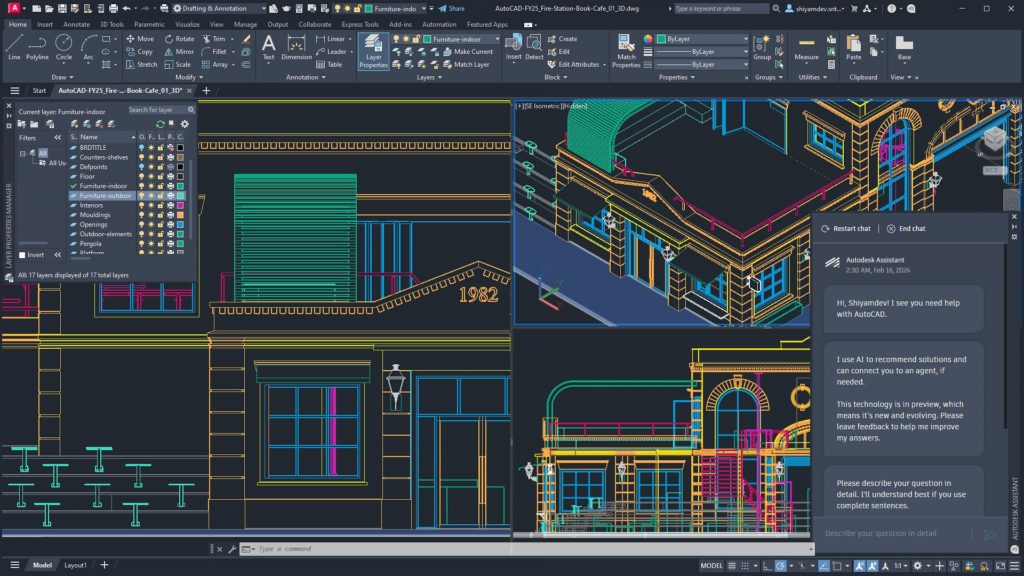
The main issue is that CAD files, particularly DXF (Drawing Exchange Format) files, are complex. They contain a wealth of information about shapes, dimensions, layers, and coordinates, but extracting this data can be challenging if you don’t have the right tools or expertise.
Many people turn to online converters to extract XYZ coordinates from DXF files. These tools often require you to upload your files to their servers, which can be a security risk. Additionally, these online tools often don’t provide complete data extraction, leaving you with incomplete information.
Step-by-Step Solution: Using DXF Reader GT
Here’s how to use DXF Reader GT to extract XYZ coordinates from your DXF files:
1. Download and Install DXF Reader GT
First, visit the DXF Reader GT website and download the software. The installation process is straightforward.

2. Load Your DXF File
Open DXF Reader GT and click on the “Load DXF” button. Browse to the location of your DXF file and select it.

3. View and Edit Data
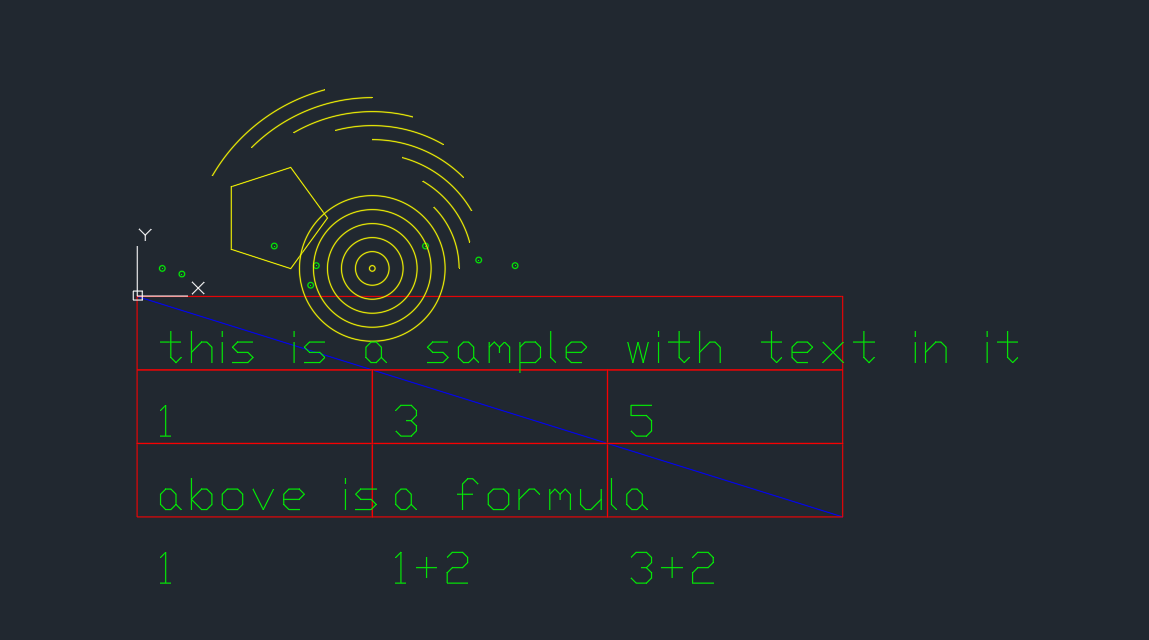
Once the file is loaded, you’ll see an editable text block containing all the data points from your DXF file. This includes XYZ coordinates, objects, layers, text, shapes, and more.
4. Export Your Data
You can export this data in various formats: TEXT, CSV, or directly into an Excel table. To do this, click on the “Export” button and select your preferred format.

Real-World Examples
Example 1: Architectural Planning
Architects often need to extract coordinates from DXF files for various purposes, such as creating 3D models or generating reports. Using DXF Reader GT, architects can quickly extract the necessary data without needing to master complex CAD software.
Example 2: Engineering Design
Engineers working on infrastructure projects often deal with large sets of CAD drawings. Extracting XYZ coordinates from these files is essential for accurate design and analysis. DXF Reader GT makes this process efficient and secure.
Example 3: Manufacturing
In manufacturing, precise measurements are crucial. Engineers use DXF files to design components and assemblies. Extracting XYZ coordinates helps ensure that all parts fit together correctly. DXF Reader GT simplifies this task, allowing engineers to focus on their core responsibilities.
Extra Tip: Integrating with Excel Draw
If you frequently work with CAD drawings in Excel, consider using DXF Reader GT in conjunction with Excel Draw. This combination allows you to create, view, and export CAD drawings directly within Excel, streamlining your workflow even further.
Conclusion
Extracting XYZ coordinates from DXF files doesn’t have to be a challenging task. With DXF Reader GT, you can quickly and securely extract the data you need without relying on online converters or mastering complex CAD software.
Whether you’re an architect, engineer, or manufacturer, DXF Reader GT is a valuable tool that can save you time and effort. Try it today and experience the difference for yourself!