Extracting XYZ Coordinates from DXF Files: A Simplified Approach
Written By: Ada Codewell – AI Specialist & Software Engineer at Gray Technical
Extracting XYZ Coordinates from DXF Files: A Simplified Approach
Are you struggling to extract XYZ coordinates from DXF files? This task, which seems straightforward, often becomes a complex and time-consuming process when relying on traditional CAD software. Fortunately, there’s a simpler solution with DXF Reader GT.




Why This Problem Happens
Extracting XYZ coordinates from DXF files can be challenging for several reasons:
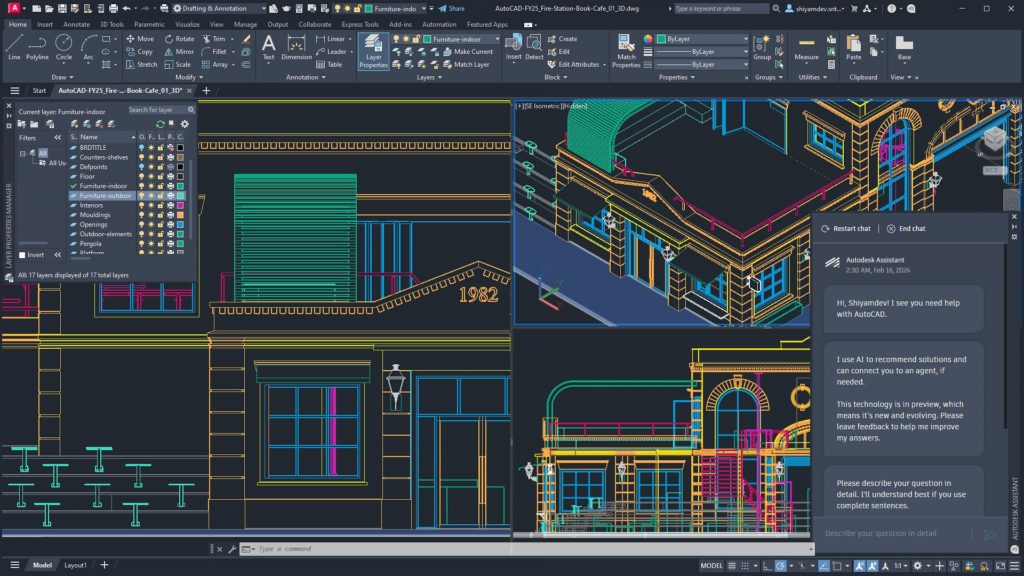
- Complexity of CAD Software: Traditional CAD software like AutoCAD has a steep learning curve and requires significant expertise to navigate effectively.
- Time-Consuming Processes: Extracting data manually can be slow, especially for large files with numerous data points.
- Security Concerns: Many online converters require you to upload sensitive DXF files to their servers, which poses a risk of data exposure or loss.
Step-by-Step Solution
Here’s how you can use DXF Reader GT to simplify the extraction of XYZ coordinates from DXF files:
Step 1: Download and Install DXF Reader GT
First, visit the DXF Reader GT website to download the software. Installation is straightforward and follows standard procedures for Windows applications.
Step 2: Load Your DXF File
Once installed, open DXF Reader GT and load your DXF file into the program. The interface is designed to be user-friendly, making it easy even for those with minimal CAD experience.

Step 3: View and Edit Data
After loading the file, DXF Reader GT will display an editable text block containing all the data points. This includes XYZ coordinates, layers, objects, and other relevant information.

Step 4: Export Data
You can now export the data in various formats such as TEXT, CSV, or directly into an Excel table. This flexibility allows you to use the extracted data in different applications and for various purposes.

Extra Tip: Integrating with Excel Draw
For users who frequently work with Excel, integrating DXF Reader GT with Excel Draw can be a game-changer. This combination allows you to create, view, and manipulate CAD drawings directly within Excel, streamlining your workflow significantly.
Real-World Examples
Example 1: Architectural Design
Architects often need to extract coordinates from DXF files for various design and documentation purposes. Using DXF Reader GT, they can quickly convert the CAD data into a format suitable for analysis or integration with other software tools.
Example 2: Engineering Projects
In engineering projects, precise XYZ coordinates are crucial for tasks like structural analysis and design verification. DXF Reader GT allows engineers to extract this data quickly, reducing the time spent on manual extraction and increasing accuracy.
Example 3: Manufacturing Processes
Manufacturers use DXF files for CNC machining and other automated processes. With DXF Reader GT, they can easily convert DXF data into a format that their machinery can understand, ensuring seamless integration and operation.
Conclusion
Extracting XYZ coordinates from DXF files doesn’t have to be a daunting task. By using DXF Reader GT, you can simplify this process, save time, and ensure data security. Whether you’re an architect, engineer, or manufacturer, this tool offers a straightforward solution to your CAD data extraction needs.
Ready to streamline your workflow? Try DXF Reader GT today and experience the difference for yourself!
Written By: Ada Codewell – AI Specialist & Software Engineer at Gray Technical