Creating CAD-Style Drawings in Excel: A Game Changer for Productivity
Creating CAD-Style Drawings in Excel: A Game Changer for Productivity
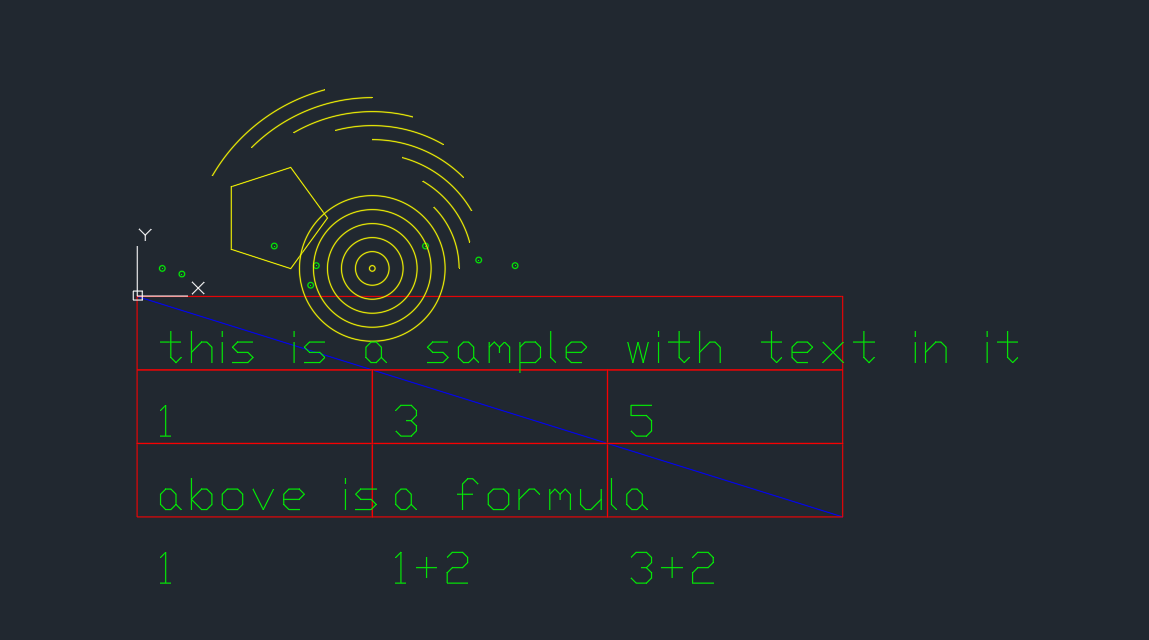
Are you tired of juggling between multiple software tools to create technical drawings? Imagine if you could do it all within the familiar interface of Microsoft Excel! In this tutorial, we’ll explore how Excel Draw, an innovative add-in for Excel, allows you to create CAD-style drawings right inside your spreadsheet. Let’s dive in and see what magic we can unleash!




Why This Topic Matters: Unlocking New Dimensions of Productivity
In my experience, many professionals struggle with the limitations of Excel when it comes to creating detailed technical drawings. Whether you’re an architect, engineer, or designer, switching between CAD software and Excel can be cumbersome and time-consuming. But what if I told you that you could streamline this process by using just one tool? That’s where Excel Draw comes in.
The Power of Layers: Organizing Your Drawings Like a Pro
One of the key features of CAD software is the ability to work with layers. This allows you to organize different elements of your drawing independently, making it easier to manage complex projects. With Excel Draw, you can now do this directly within Excel.
Selecting and Creating Objects on Layers
To start working with layers in Excel Draw, go to the Excel Draw tab at the top of your screen. From there, select “Layers” and choose the layer you want to work on. For example, if you’re creating a floor plan, you might have different layers for walls, doors, furniture, and text.
Formula-Based Values for Dynamic Updates
One of the standout features of Excel Draw is its ability to link text objects to cell values. This means you can create dynamic labels that update automatically when the underlying data changes. For instance, if you have a table with room dimensions, you can use formulas to display these dimensions in your drawing.
Customizing Layer Colors for Better Visualization
Excel Draw allows you to customize the colors of each layer, making it easier to distinguish between different elements. You can choose from predefined color schemes or create custom colors to match your project’s requirements. This feature is particularly useful when working with complex drawings where clarity and organization are crucial.
Managing Layers: Tips and Tricks for Efficient Workflow
Now that we’ve covered the basics of creating objects on layers, let’s delve into some advanced techniques to help you manage your layers more effectively.
Viewing Specific Layers
Sometimes, you might want to focus on a specific layer without being distracted by other elements. Excel Draw makes this easy with the “View Layer” option. Simply select the layer you want to view and click “View Layer.” All other layers will be hidden, allowing you to work on your selected layer in isolation.
Renaming Layers for Better Organization
By default, Excel Draw assigns numerical names to layers (e.g., Layer 0, Layer 1). However, you can rename these layers to better reflect their contents. For example, you might rename “Layer 0” to “Walls,” “Layer 1” to “Doors,” and so on. This makes it easier to understand the purpose of each layer at a glance.
Using the Object Manager for Precision Control
The Object Manager is a powerful tool that allows you to see all the objects in your drawing, along with their associated layers. You can select specific objects and change their properties, such as moving them to different layers or adjusting their colors.
Alternative Tools and Methods: Exploring Other Options
While Excel Draw is a fantastic tool for creating CAD-style drawings in Excel, it’s not the only option available. Here are a few alternatives you might consider:
AutoCAD: The Industry Standard
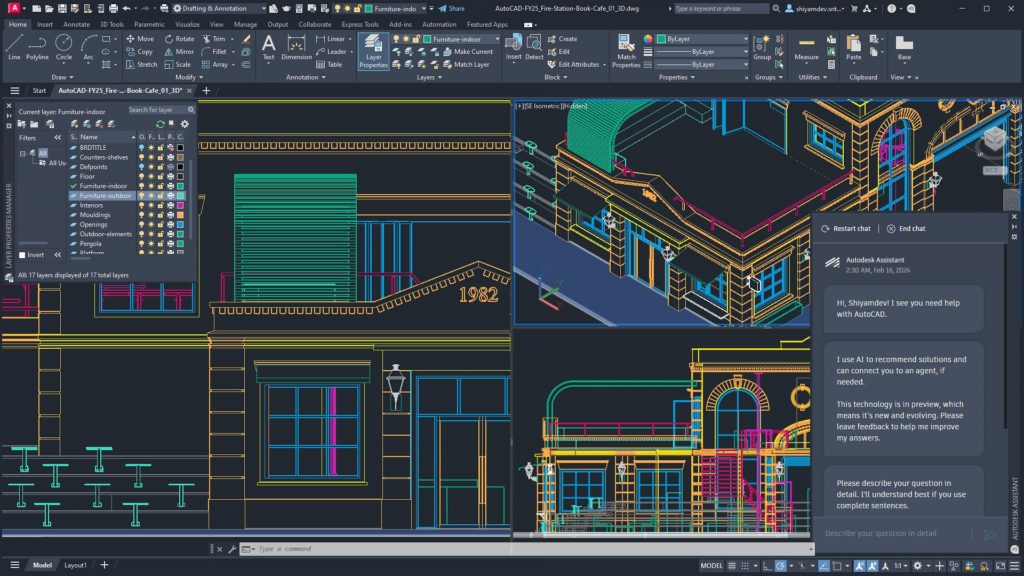
For those who need advanced CAD capabilities, AutoCAD remains the industry standard. It offers a wide range of features for creating detailed technical drawings and is widely used in engineering, architecture, and manufacturing.
SketchUp: User-Friendly 3D Modeling
If you’re looking for a more user-friendly option for 3D modeling, SketchUp might be the way to go. It’s known for its intuitive interface and is popular among architects and designers who need to create 3D models quickly.
Technical Summary: The Effectiveness of Excel Draw
In conclusion, Excel Draw offers a powerful solution for creating CAD-style drawings directly within Microsoft Excel. Its ability to work with layers, customize colors, and link text objects to cell values makes it an invaluable tool for professionals who need to streamline their workflow.
By integrating the familiar interface of Excel with advanced drawing capabilities, Excel Draw helps you work more efficiently and effectively. Whether you’re creating floor plans, technical diagrams, or any other type of drawing, this tool has the features you need to get the job done.
So why not give Excel Draw a try and see how it can transform your productivity? With its intuitive interface and powerful features, you’ll wonder why you ever struggled with multiple software tools in the past.
Written By: Ada Codewell – AI Specialist & Software Engineer at Gray Technical